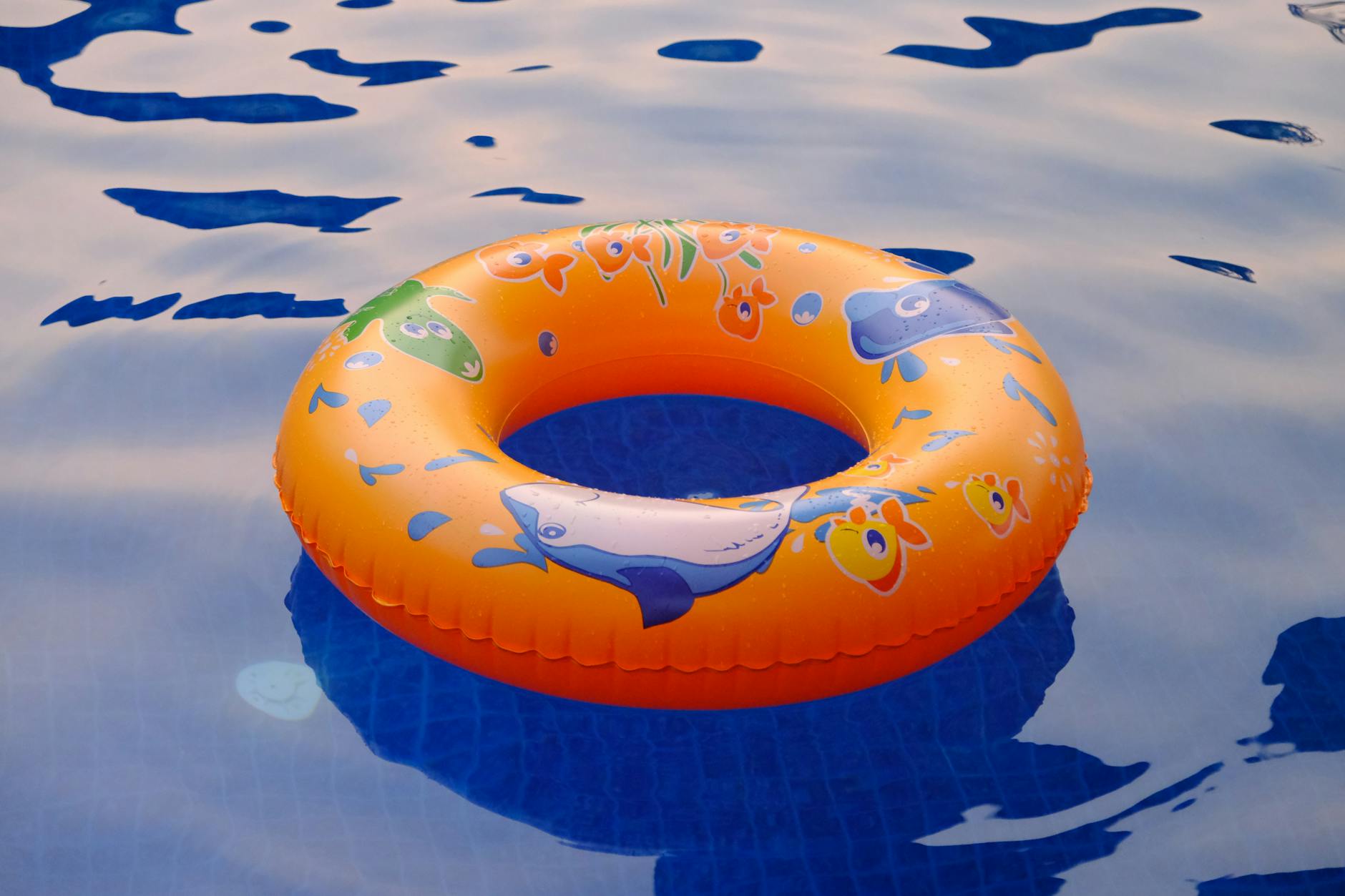
The pool toys that build water confidence fastest are slow-sinking dive toys, foam underwater gliders, and floating retrieval games — anything that motivates kids to put their face in or reach below the surface. Active play in the water creates submersion comfort that swim lessons alone often cannot replicate on their own. Per CDC 2022 data, drowning kills around 945 U.S. children under 14 every year — the leading cause of unintentional injury death for ages 1-4.
Quick Answer
Dive-style and slow-sinking pool toys for kids build water confidence fastest — specifically foam underwater gliders, dive balls, and floating target discs that reward kids for moving through the water. Children who engage with this type of toy for 10-15 minutes per session consistently show more comfort in the water than those who only do lap-style practice. Formal swim lessons can cut drowning risk by up to 88% in kids ages 1-4, per a 2019 American Academy of Pediatrics policy review.
Why Do Kids Struggle in the Pool Even After Swim Lessons?
Kids often struggle in the pool after swim lessons because formal lessons happen in a controlled, low-distraction setting — the home pool is louder, more stimulating, and less structured, which resets a child’s comfort level even when they have built real skill in lessons.. A 2023 CDC analysis found that unintentional drowning deaths among U.S. children ages 5-14 rose 14% between 2019 and 2021.
This is a well-documented skill-transfer challenge in childhood learning. The American Academy of Pediatrics’ 2019 Prevention of Drowning policy statement notes that swim lessons significantly reduce drowning risk, but consistent positive water exposure between lessons is equally important for building lasting confidence.
Unstructured play — child-directed free play with no predetermined rules or adult instruction — is the answer. When a child chases a foam torpedo or retrieves sinking stones from the shallow end, they practice water engagement voluntarily. That builds physical development and comfort that lessons alone cannot produce.
What Types of Pool Toys Are Best for Building Water Confidence?
The best pool toys for building water confidence are slow-sinking dive toys, underwater foam gliders, floating foam discs, and foam stone skippers — all designed to motivate voluntary water movement, especially submersion, without adult instruction or pressure.
| Toy Type | Why It Builds Confidence | Best Age |
|---|---|---|
| Slow-sinking dive balls | Motivates voluntary submersion | Ages 5–9 |
| Underwater foam gliders | Encourages forward swimming | Ages 6–12 |
| Floating foam discs | Low-stakes splashing for hesitant kids | Ages 3–6 |
| Foam stone skippers | Water engagement without submersion | Ages 4–8 |
Foam toys are the non-negotiable choice here. Soft construction removes the anxiety of being hit by a toy in the water. The right outdoor toys make pool time feel safe before they make it exciting. Look for age-appropriate sizing — a 4-year-old needs something large enough to grab with both hands, while an 8-year-old needs enough challenge to stay engaged.
Which Refresh Sports Pool Toys Have We Actually Put to the Test?
We tested three Refresh Sports pool toys for water-confidence building: GlideRay™ Underwater Glider Pool Toy ($19.97) for reluctant swimmers, Aqua Dive Ball™ Underwater Pool Ball ($18.97) for hesitant divers, and Soft Stone Skippers® Water Skip Disc ($15.97) for kids who won’t leave the steps. All three produced measurable gross motor skills gains and increased voluntary submersion within two pool sessions.
We designed every Refresh Sports product around one question: will this get a family play session started in under a minute? That is why the Sticky Baseball Paddle Toss & Catch Game ($27.97) comes ready to play out of the box, the Aqua Flyer™ Water Splash Discs ($9.97) float so they never sink to the bottom of the pool, and the Mini Glider™ Foam Airplane ($9.39) flies far enough to make a 5-year-old sprint. Our full lineup — from the Mini-Toss Lacrosse® Set ($37.97) to the XL Beach Ball ($15.97) and Stringy Balls ($13.97) — is built for the real way families play: mixed ages, mixed sibling play skill levels, and about 45 minutes before someone needs a snack.
What Pool Activities Help Kids Practice Swim Skills Without Feeling Like Drills?
The most effective pool activities for building swim skills feel like games — retrieval races, floating target challenges, and toy-chase sequences that require the same movements as formal swim drills without performance pressure.
Three activities that build real skill while feeling like backyard games moved to the water:
- Torpedo Race: Toss two GlideRay™ Underwater Glider Pool Toy ($19.97) units simultaneously. Two kids race to retrieve — building forward swimming, underwater vision, and kicking inside what feels like competition.
- Dive Challenge: Drop the Aqua Dive Ball™ Underwater Pool Ball ($18.97) at 1 foot, then 2 feet, then 3 feet across sessions. Kids retrieve in order — a natural confidence progression with no adult coaching needed.
- Stone Depth Loop: Drop Soft Stone Skippers® Water Skip Disc ($15.97) foam stones at 1, 2, and 3 feet. Kids retrieve in sequence, building submersion comfort across depth levels.
The CDC’s drowning prevention guidance emphasizes that consistent positive water experiences measurably reduce risk for young children. For the developmental research behind play-based skill building, raisingactivekids.com covers the evidence. For pool toy buying guides, pooltoysguide.com has category-by-category comparisons.
What Happens When Pool Play Feels Like Fun Instead of Practice?
When pool play feels like fun instead of practice, kids stop associating the water with performance anxiety and begin seeking it out voluntarily — which is precisely when genuine confidence and lasting swim skill takes hold.
The difference between a child who dreads pool time and one who sprints ahead of their parents to jump in is almost always a handful of early experiences that made the water feel safe and exciting. The right pool toys for kids create those experiences faster than structured instruction alone.
Unstructured play in the water — chasing a foam torpedo, retrieving sinking discs, splashing after floating targets — does the same developmental work as drills, but without the psychological resistance. These screen-free sessions are when the foundational principle of play-based outdoor play learning takes hold.
References
- American Academy of Pediatrics. “Prevention of Drowning.” Pediatrics, 2019. Recommends formal swim instruction combined with consistent positive water exposure beginning as early as age 1 with appropriate supervision.
- Centers for Disease Control and Prevention. “Drowning Prevention.” National Center for Injury Prevention and Control. Drowning is the leading cause of unintentional injury death for children ages 1–4 in the United States.
- raisingactivekids.com — Research-backed guidance on physical development, gross motor skills, and active play for children ages 3–12.
- Brenner, R.A. et al. (2009). ‘Association Between Swimming Lessons and Drowning in Childhood.’ Archives of Pediatrics & Adolescent Medicine, 163(3), 203-210. Swimming lessons reduce drowning risk by 88% in children ages 1-4 with pool access.
- pooltoysguide.com — Buying guides and category reviews for pool toys for families with children ages 3–12.
- American Red Cross water safety guide
- CDC drowning prevention guidance